Campaign Design
Problem: Gen Z students are drinking caffeine more than previous generations due to social media. How can you make students aware of the dangers and side effects of caffeine overconsumption?
CAMPAIGN DESIGN | BRANDING | PRINT | RESEARCH
Role: Ideation, Research, Naming, Design and Development
Programs: Adobe Illustrator, Adobe Photoshop, Adobe After Effects, and Figma
“Do UGA students know how much caffeine they drink on a daily basis?”
THEY DON’T
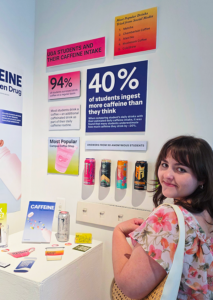
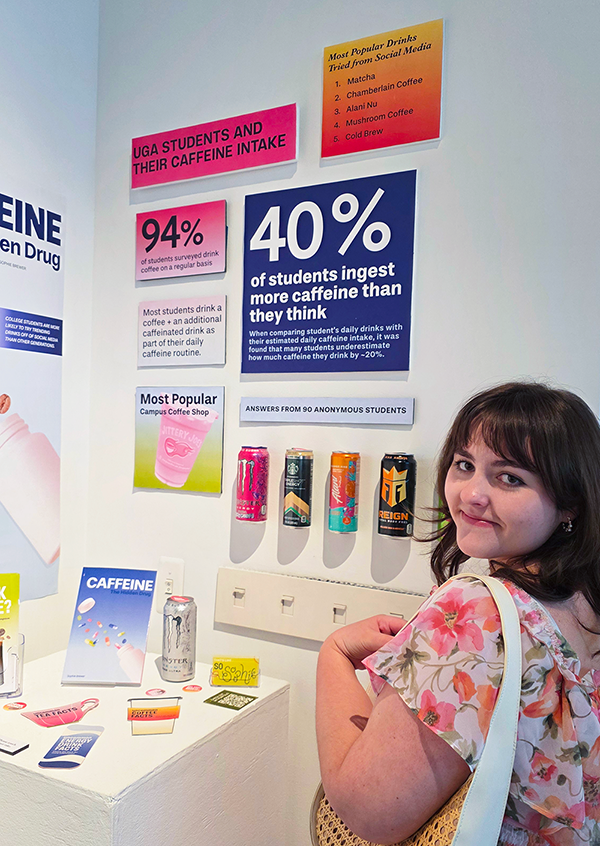
Approx. ~40% of UGA Students underestimate how much caffeine is in their daily drinks.
Data pulled from a survey conducted by Sophie Brewer from 90 UGA students.


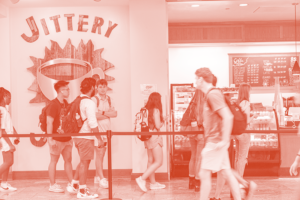
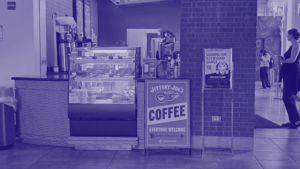

Many students fail to track how much caffeine they drink on a daily/weekly basis due to stressful, packed schedules.
This is not beneficial for college students as many are unaware of the numerous, long lasting side effects caffeine can have on the body.
So, how do make students aware of their passive caffeine overconsumption and/or addiction?
Many Gen Z students (including myself) justify getting an extra coffee a day as an indulgence or reward for getting through a tough day. This can quickly change to a daily habit and turn into an addiction.
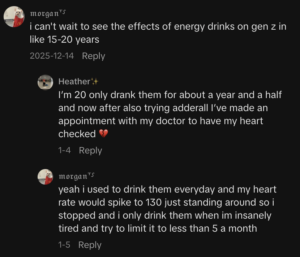



You create a campaign.
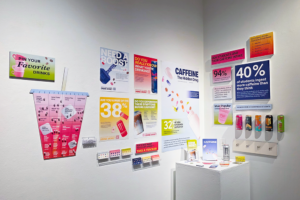
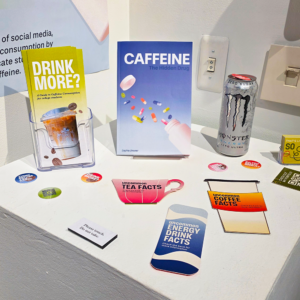
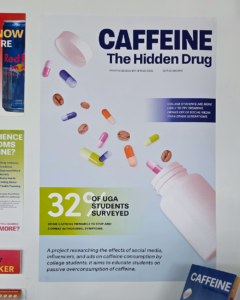
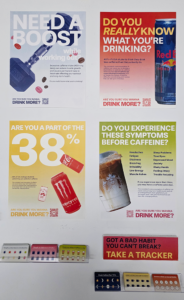
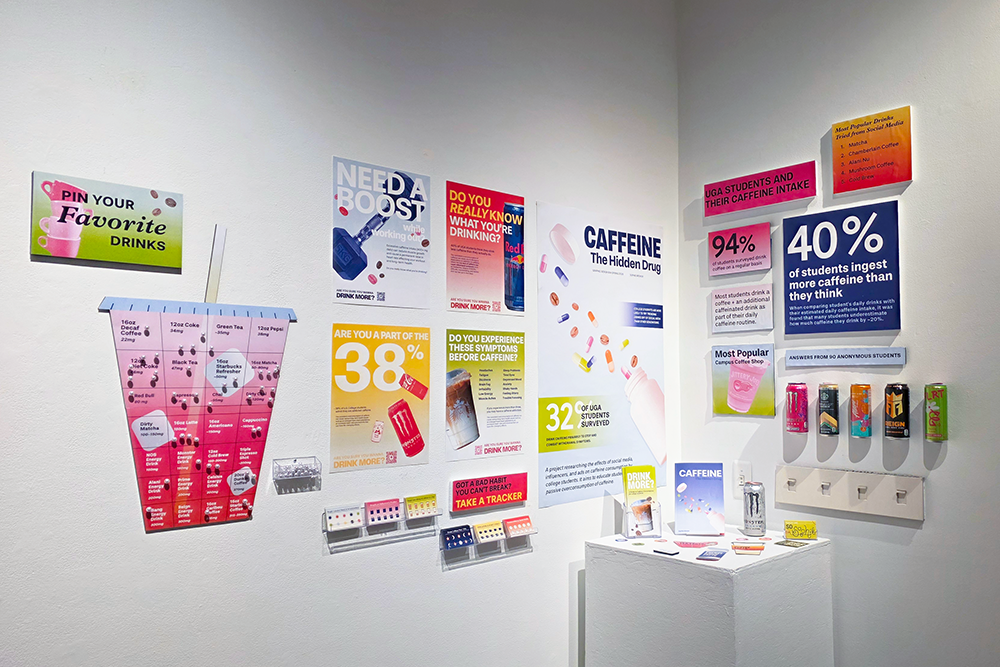
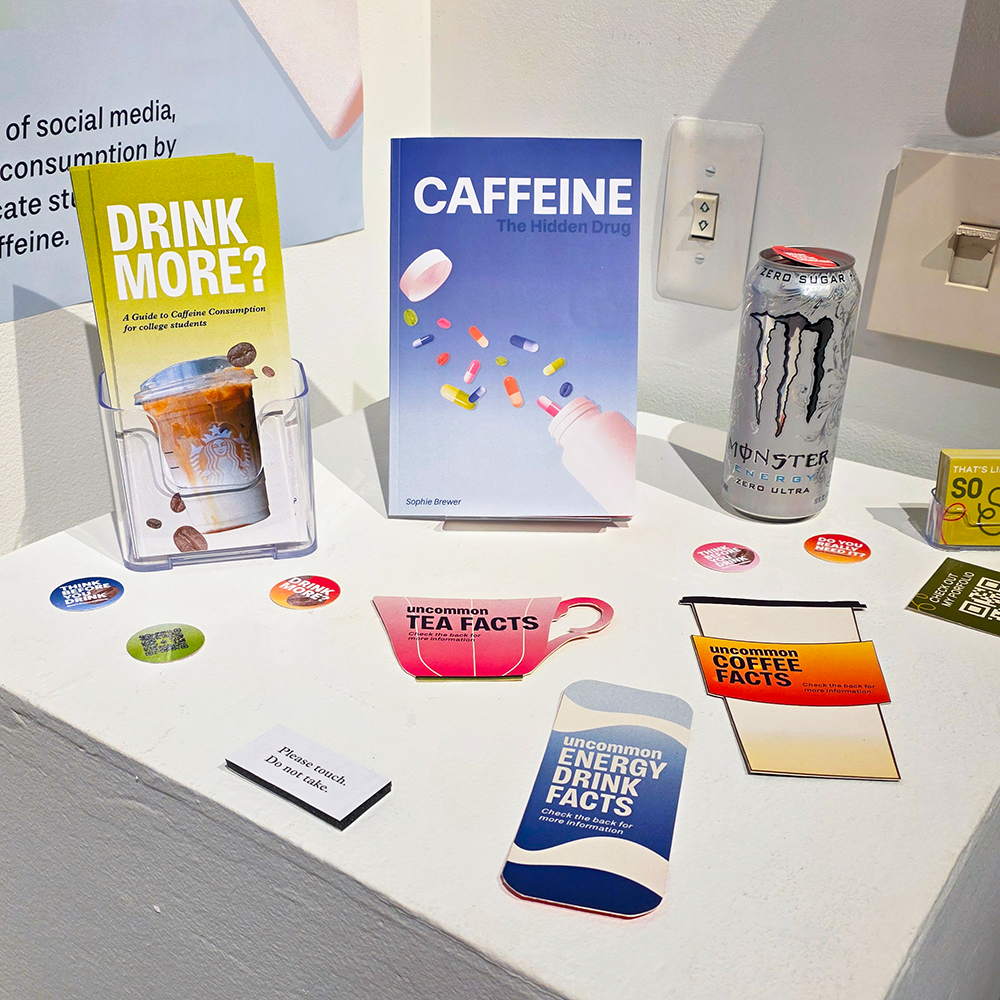
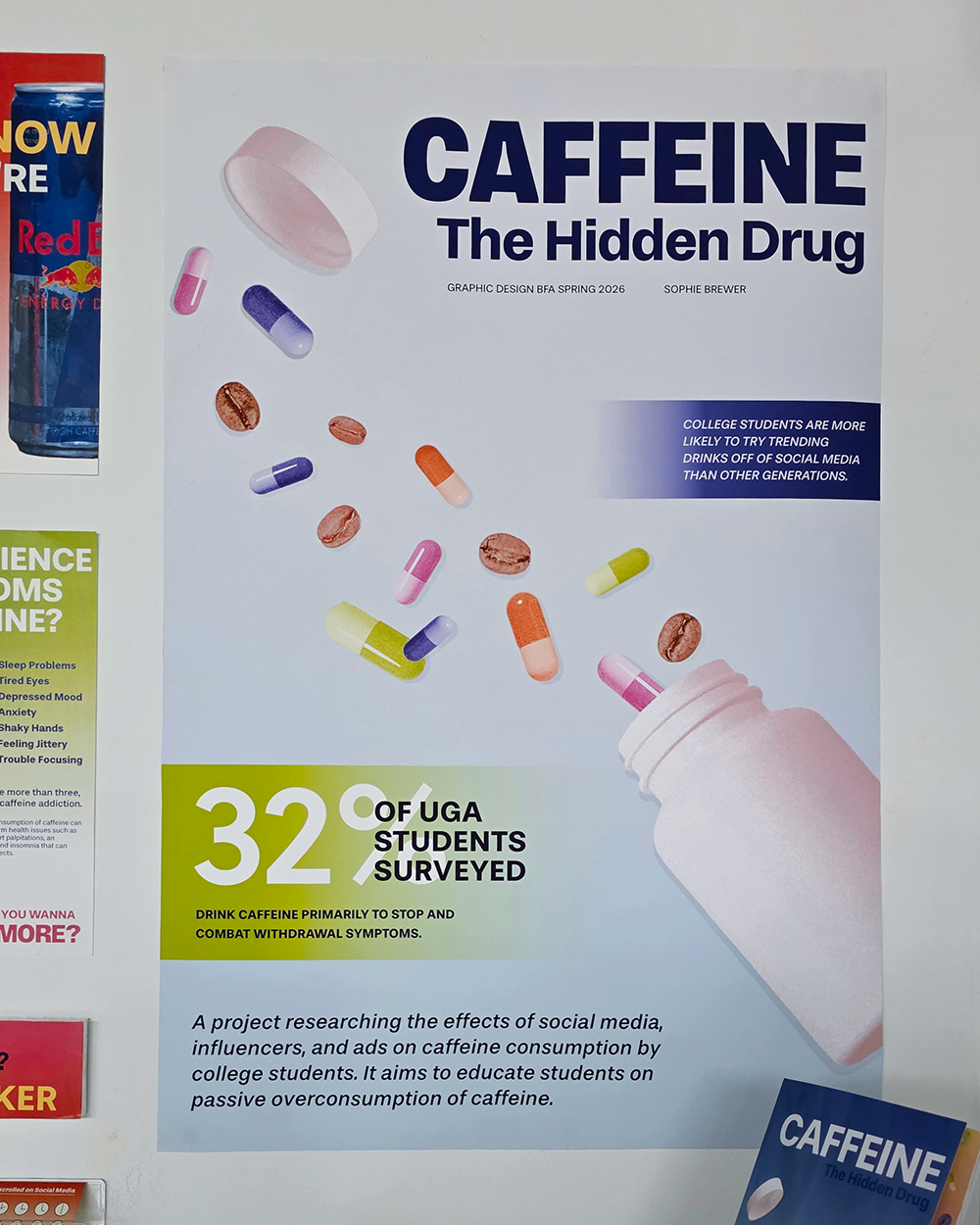
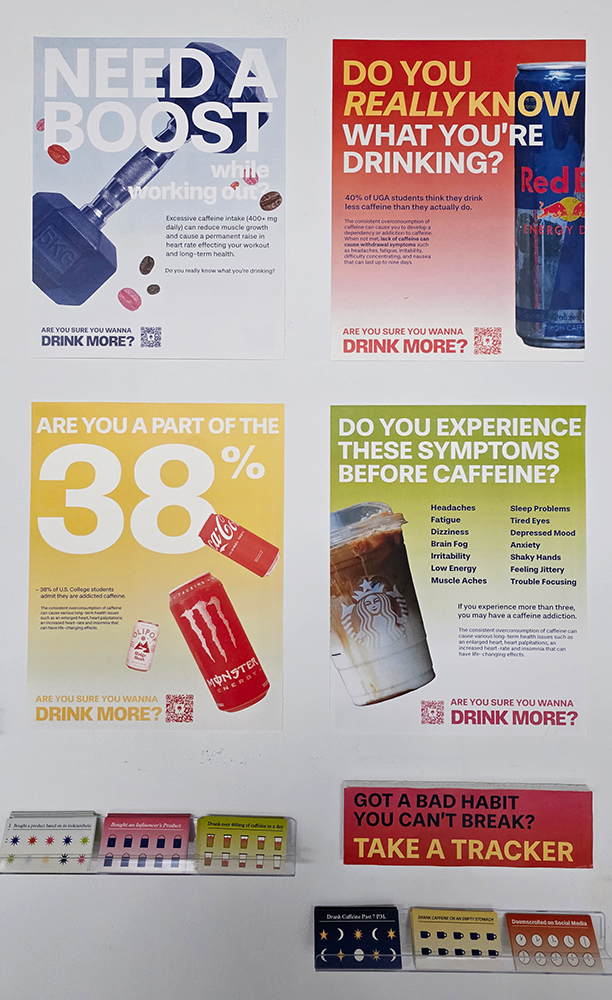
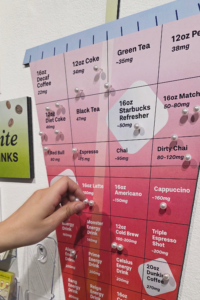
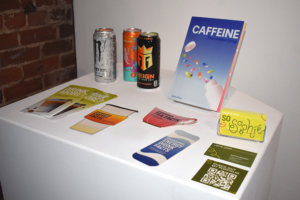
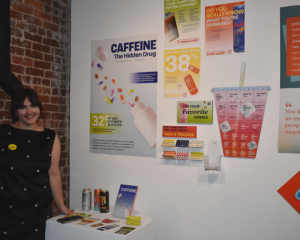
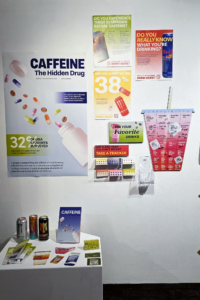
Drink More? is a hybrid awareness campaign focused on educating UGA students across campus about caffeine overconsumption.

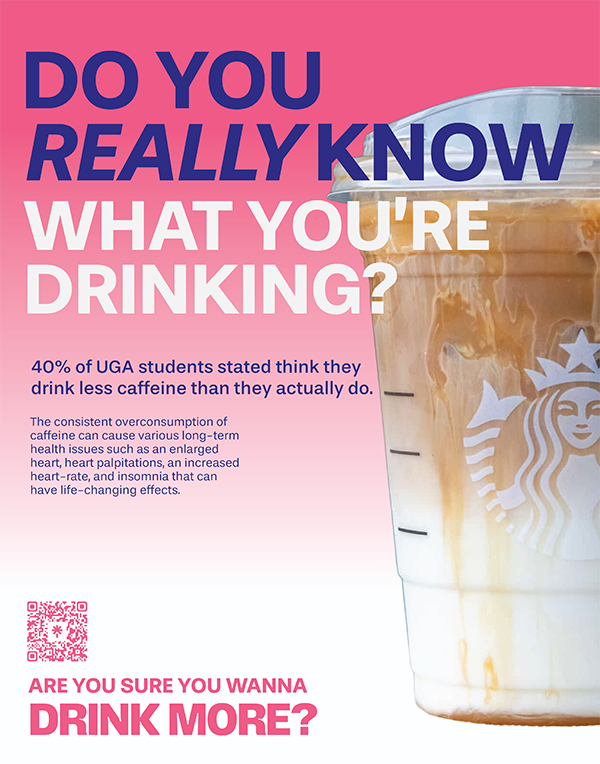
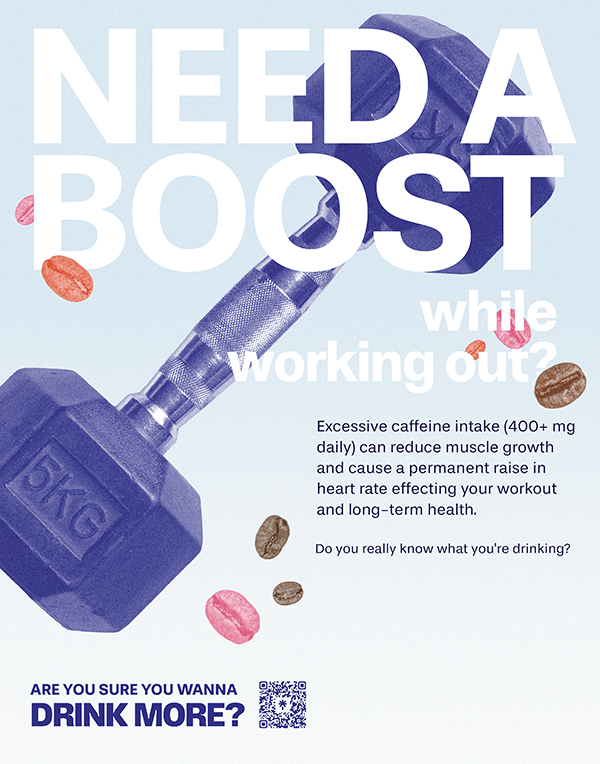
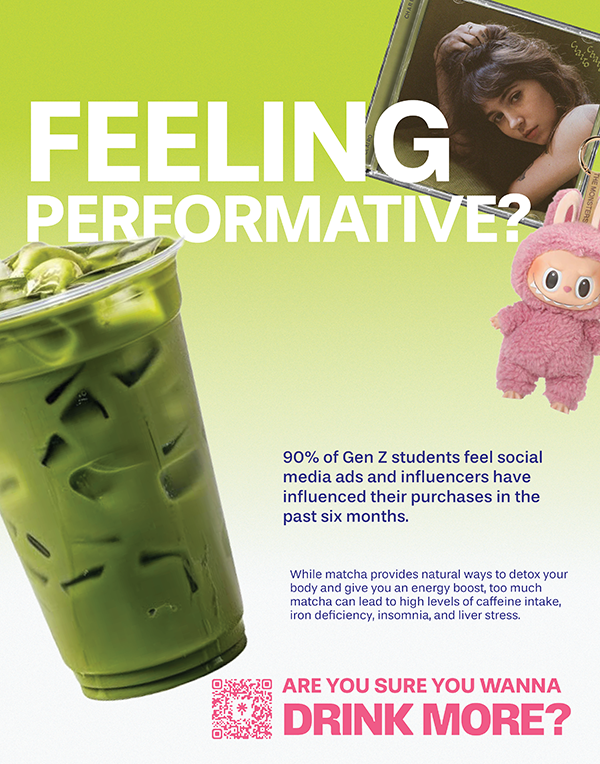
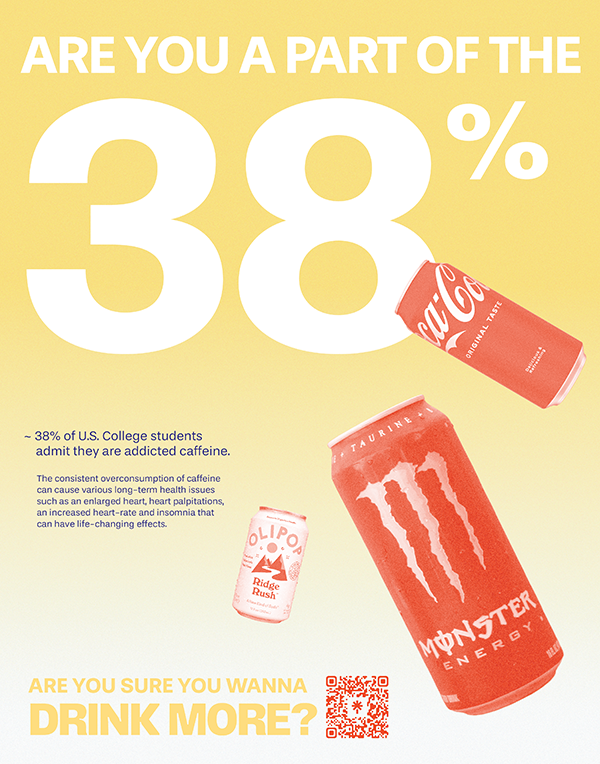
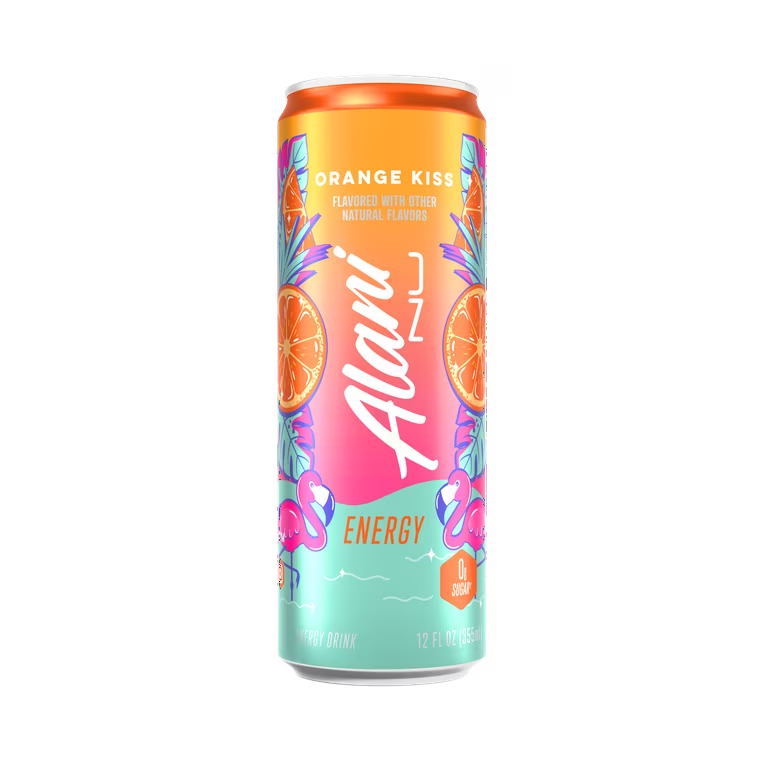
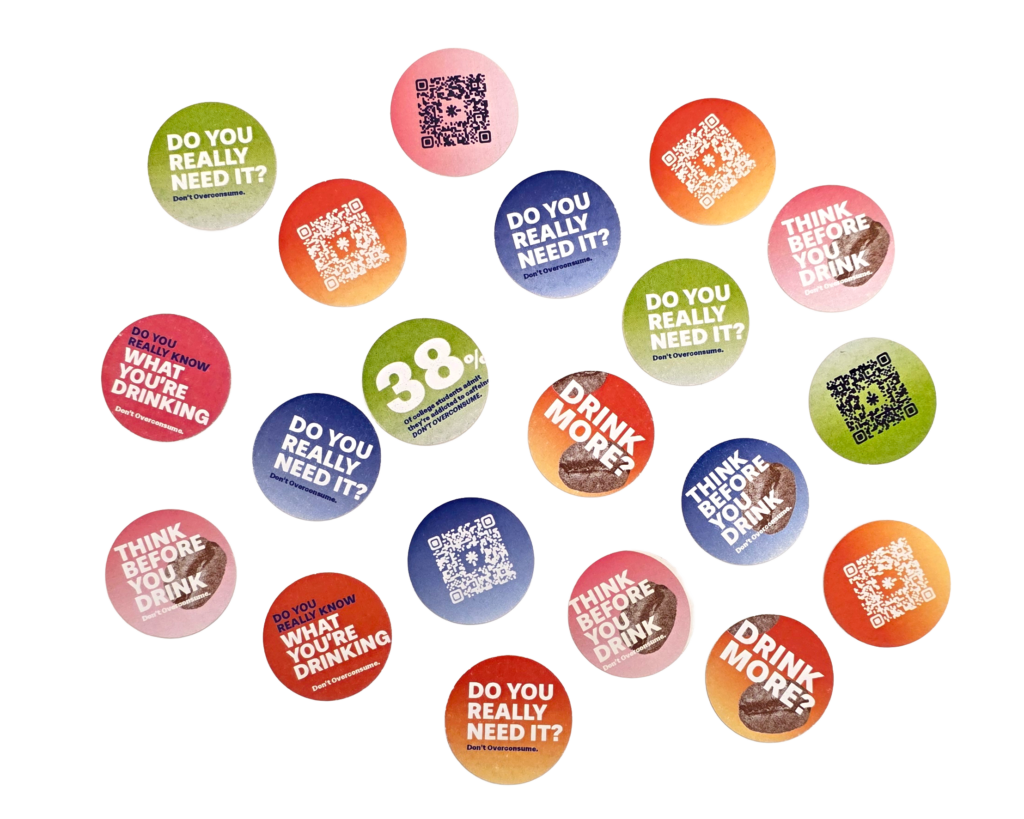
Drink More? uses the vibrant colors and typography seen in energy drinks to quickly draw in student’s attention on campus.
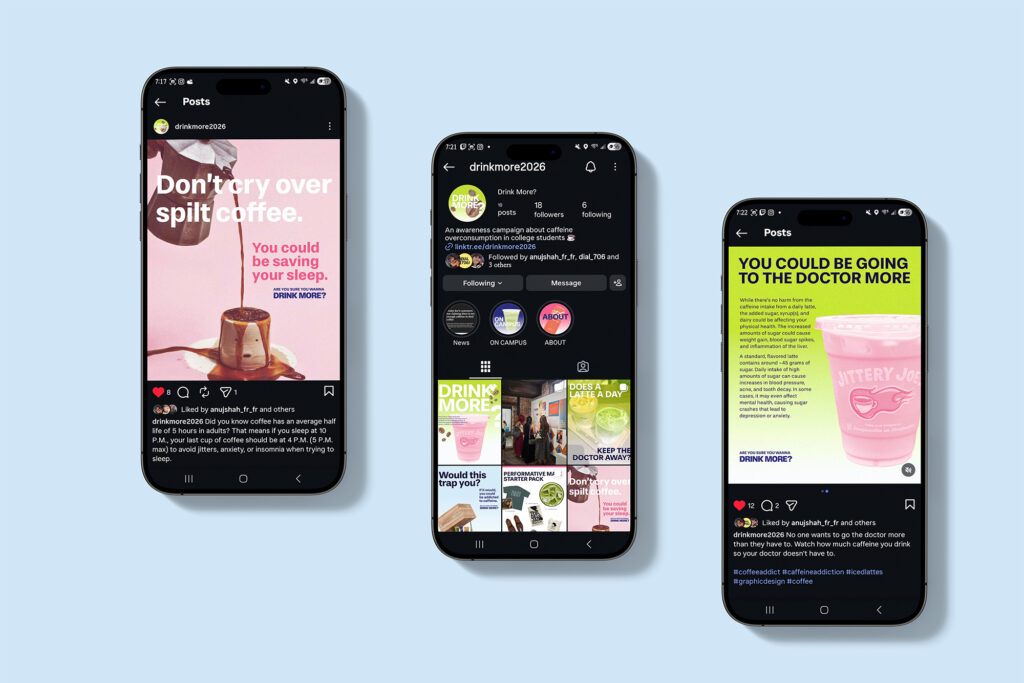
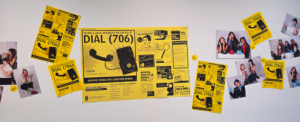
As both a physical and digital campaign, Drink More? aims to become something impossible to ignore, much like addiction.
Through the hybrid campaign, students have the option to quickly view information in public or learn more about caffeine addiction through Drink More?’s Instagram and Resources.
Learn more about how Drink More? came to be.
Typography
The typefaces Stevie Sans, Vinila, and Plantin were picked as a combination to draw as much attention to the campaign as possible. Stevie Sans is a highly legible san-serif, and when used as headline text, it can easily catch the attention of students far away. It also acts as a simple, readable body text which is extremely important for highlighting data. Vinila is a fun serif with inktraps, picked for its funky letterforms and condensed fonts it is able to attract students to the campaign and urge them to read more. Plantin was picked as a complementary serif to the already selected san-serifs, and allows for another branch of visual hierarchy within the type system.
Color
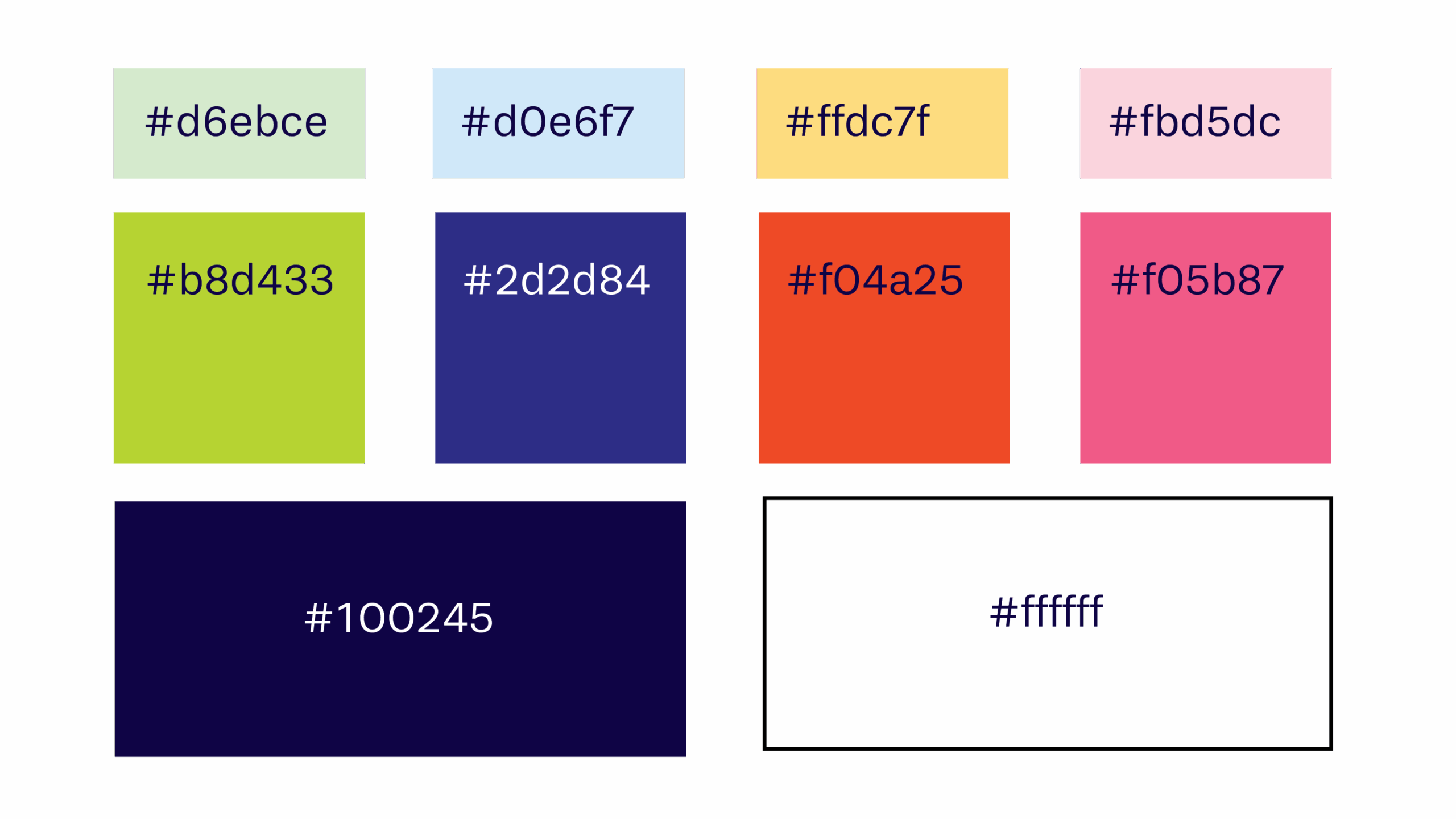
The colors of Drink More? were inspired by the wide variety of highly saturated colors in energy drink branding. The main row of saturated colors were meant to evoke the energy boost one might get from drinking caffeine. The main two colors, blue and green, bounce off of one another and allow for striking contrast when necessary. The secondary colors, pink and orange, act as signifiers for data and milligram amounts in posters. When pink is used in a design, it is referencing low milligram amount or natural caffeine. When its counterpart, orange, is used in a design, it is referencing a high milligram amount or unnatural caffeine in a drink. For example, coffee is pink due to its usage of natural caffeine from coffee beans and its relatively low caffeine amounts. Energy drinks, on the other hand, are orange due to their high caffeine content and unnatural usage of caffeine.
The Name
Drink More?’s name acts as not only a title for viewers, but also as a question. When read or said out loud, it poses the question to students of whether or not they really want to drink more caffeine. After a student has seen a campaign poster, they will likely remember the content whenever they are buying their next caffeinated beverage (regardless if they feel it made an impact on them or not), and it will pose the question of drinking more caffeine to them again.
Phrasing
The phrasing ofDrink More? aims to anger or “rage bait” students into looking at the poster. If a student sees the phrase “addicted” next to coffee, they will likely go on the defense and read more information in the poster to prove to themselves that they are not addicted. In the process, they will be learning about caffeine overconsumption and various health effects. Even if the student proves themselves right and deems themselves not addicted, they will have still learned about the dangers of overconsumption.
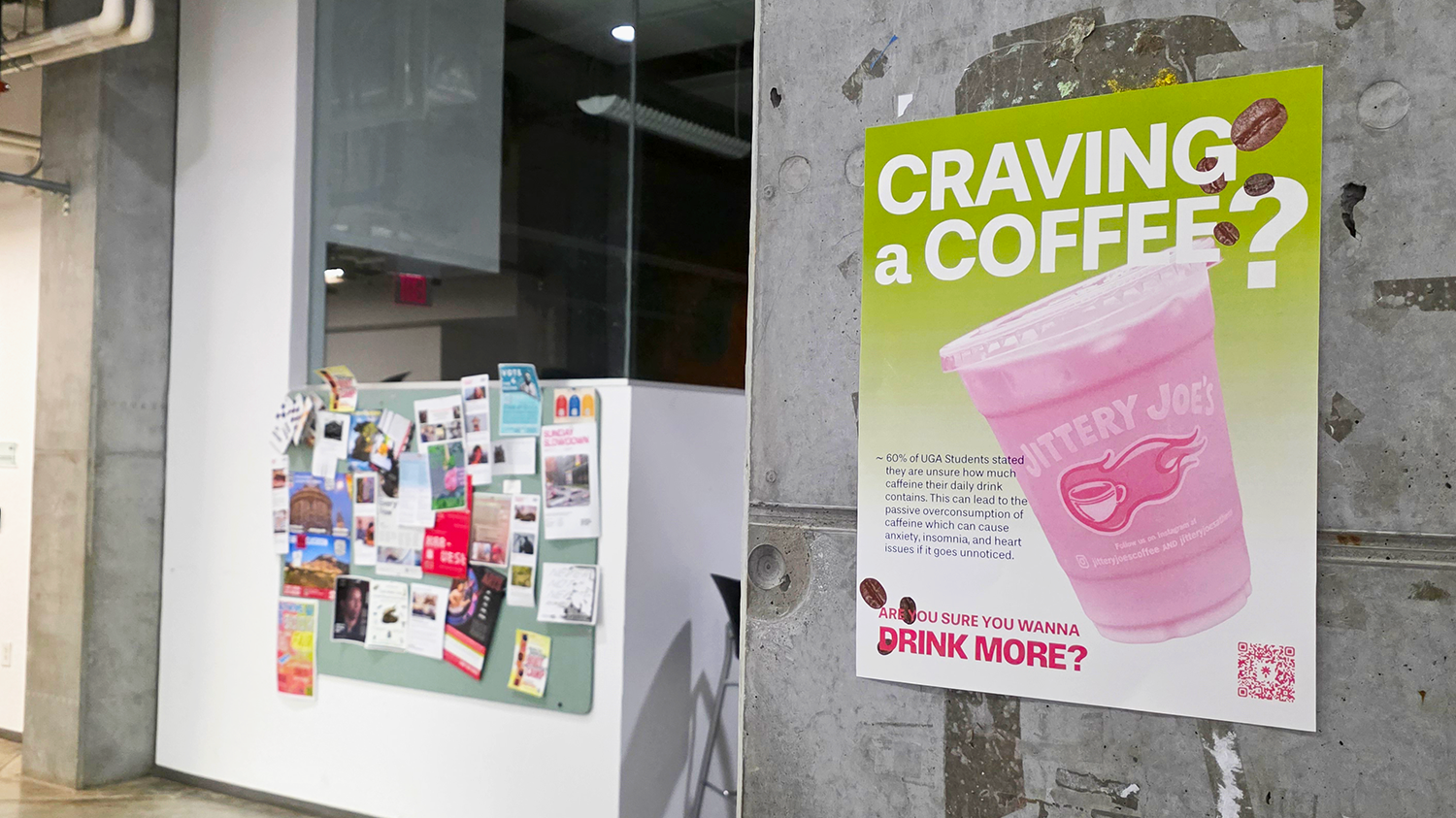
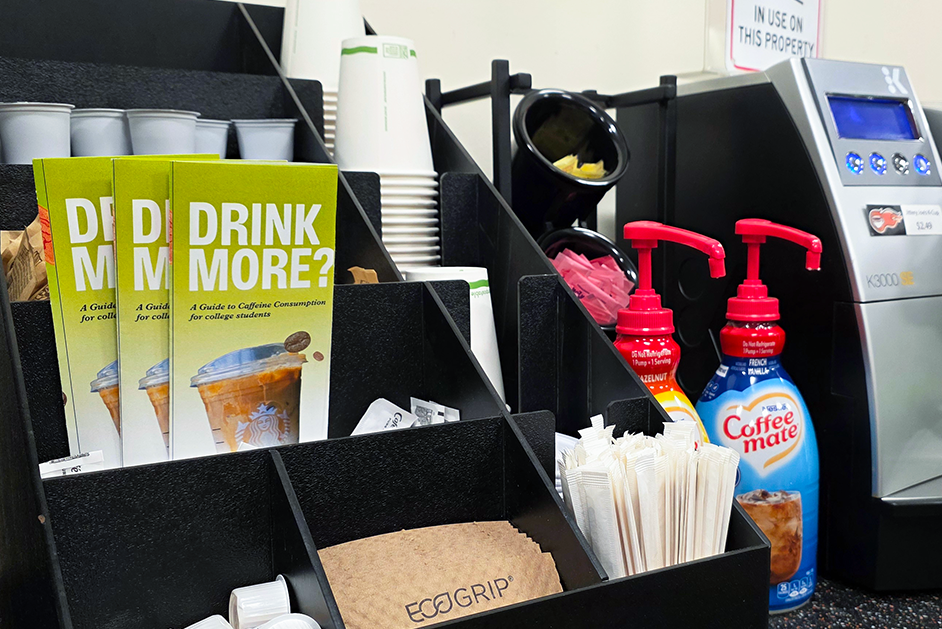
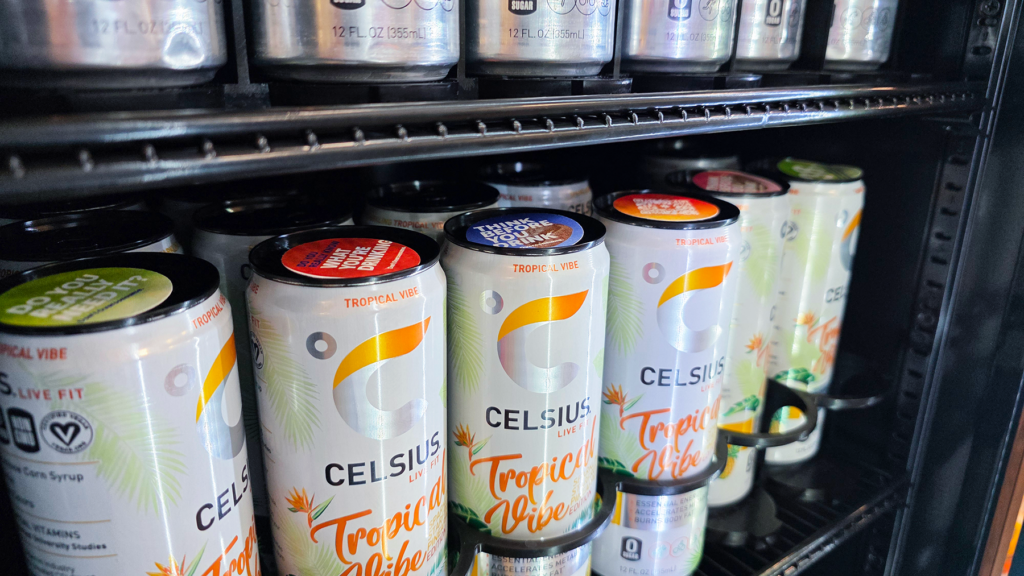
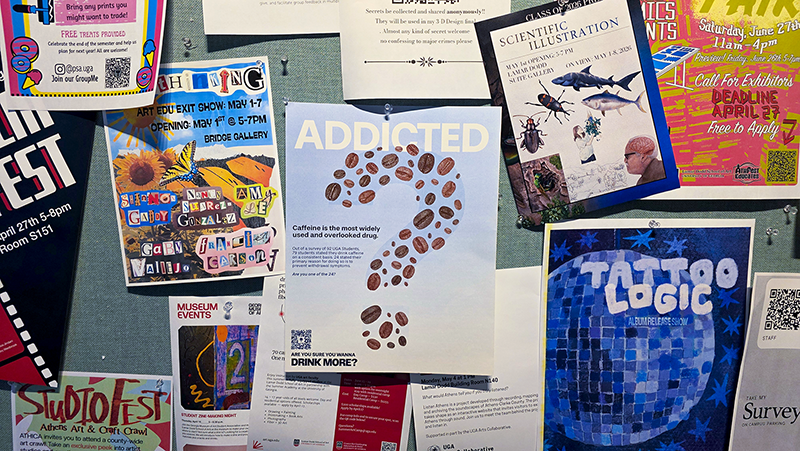
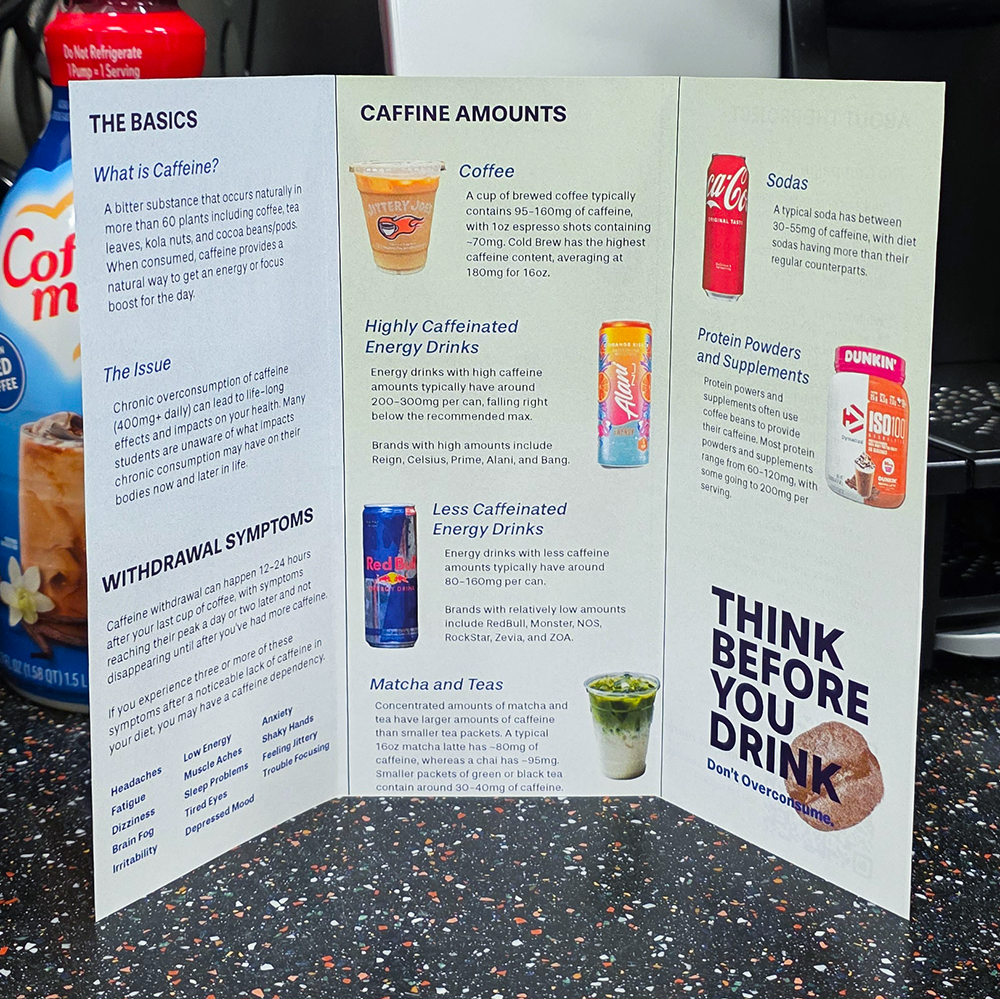
Through Drink More?‘s campaign, students can learn more about caffeine consumption/addiction, and better inform themselves on how it may effect their immediate and long-term physical/mental health.
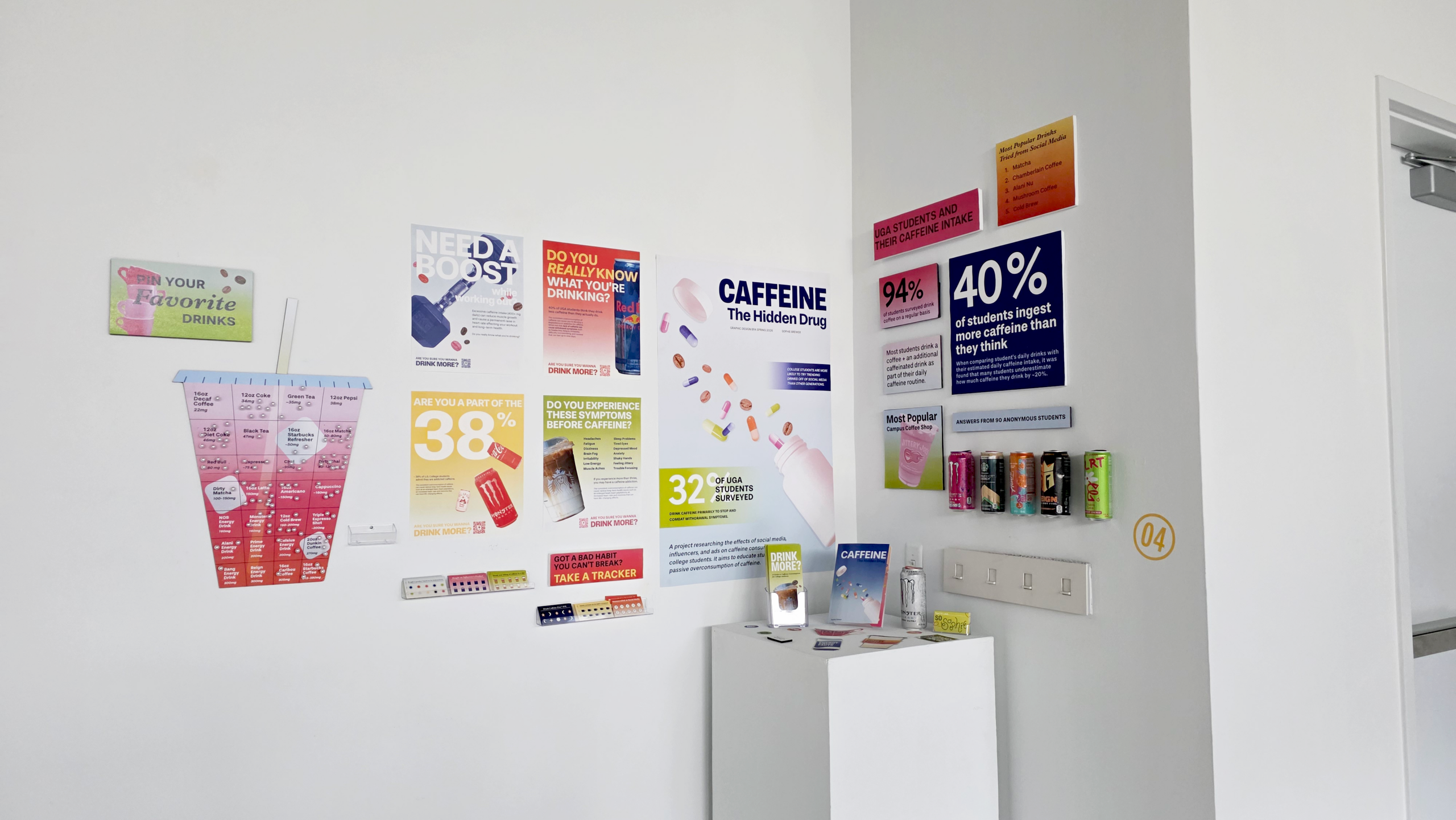
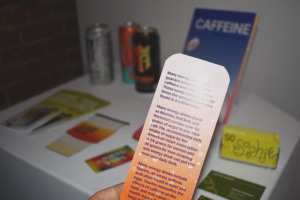
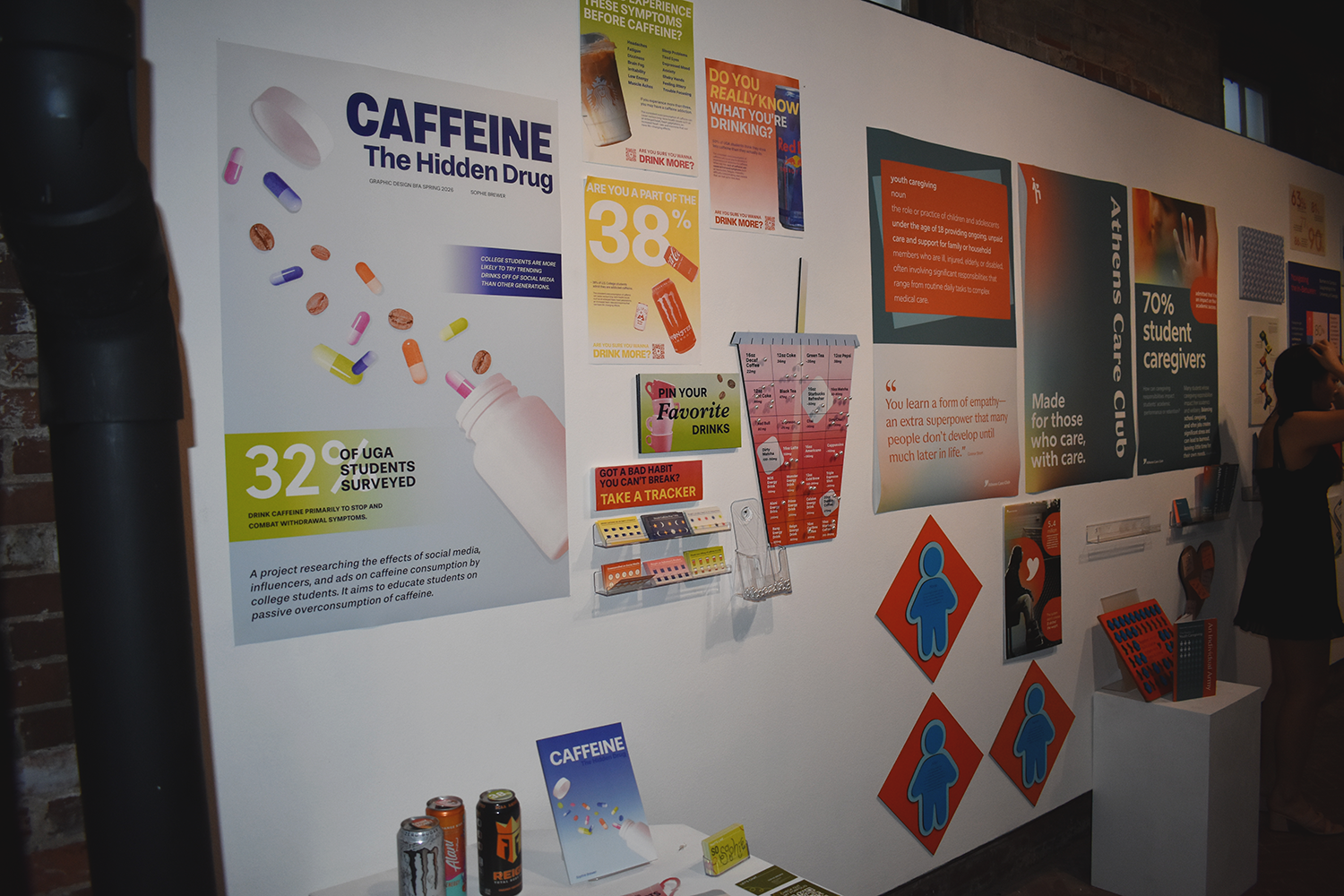
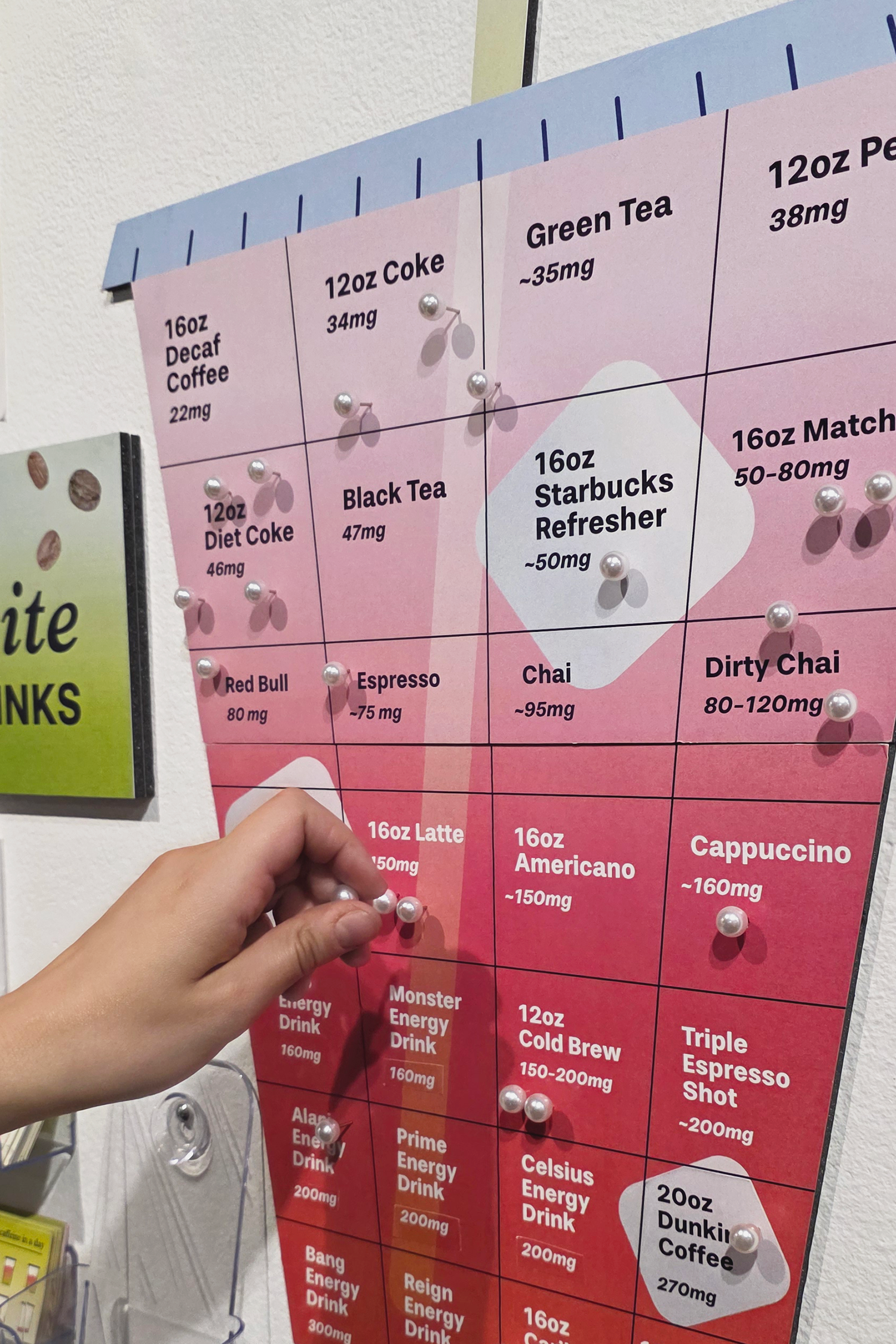
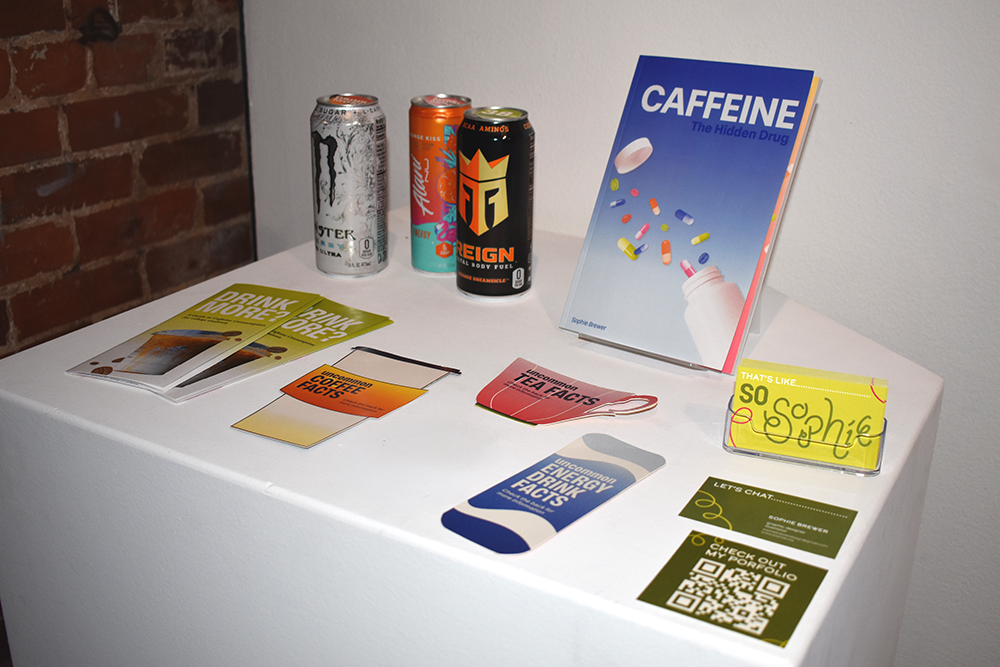
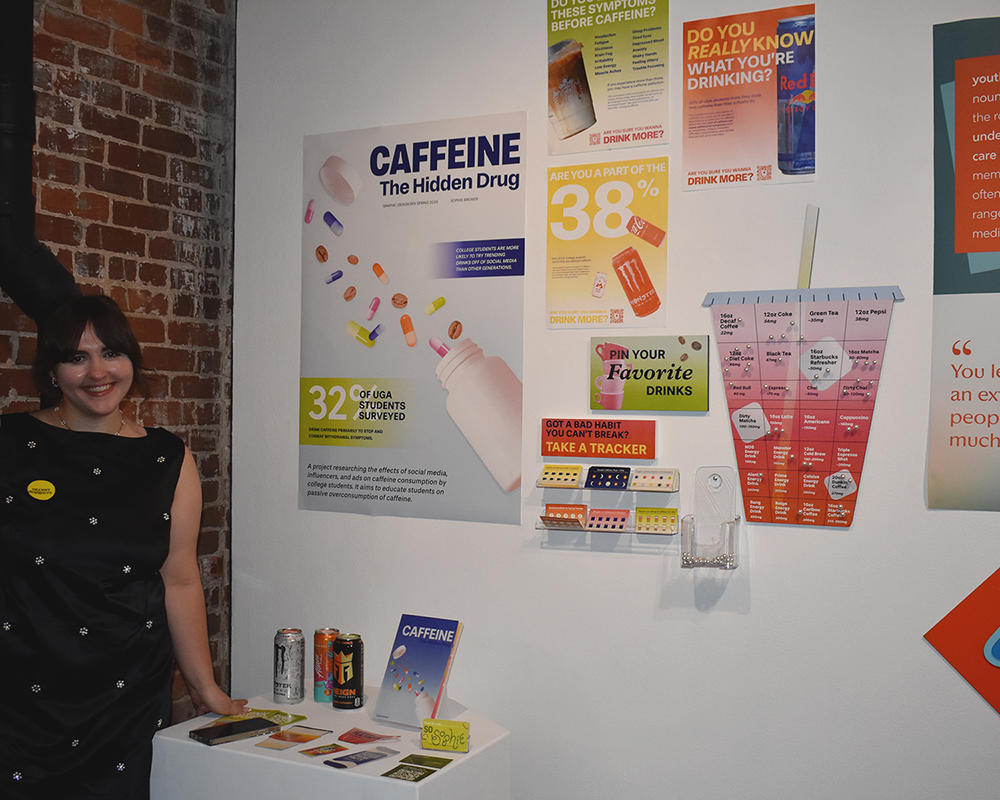
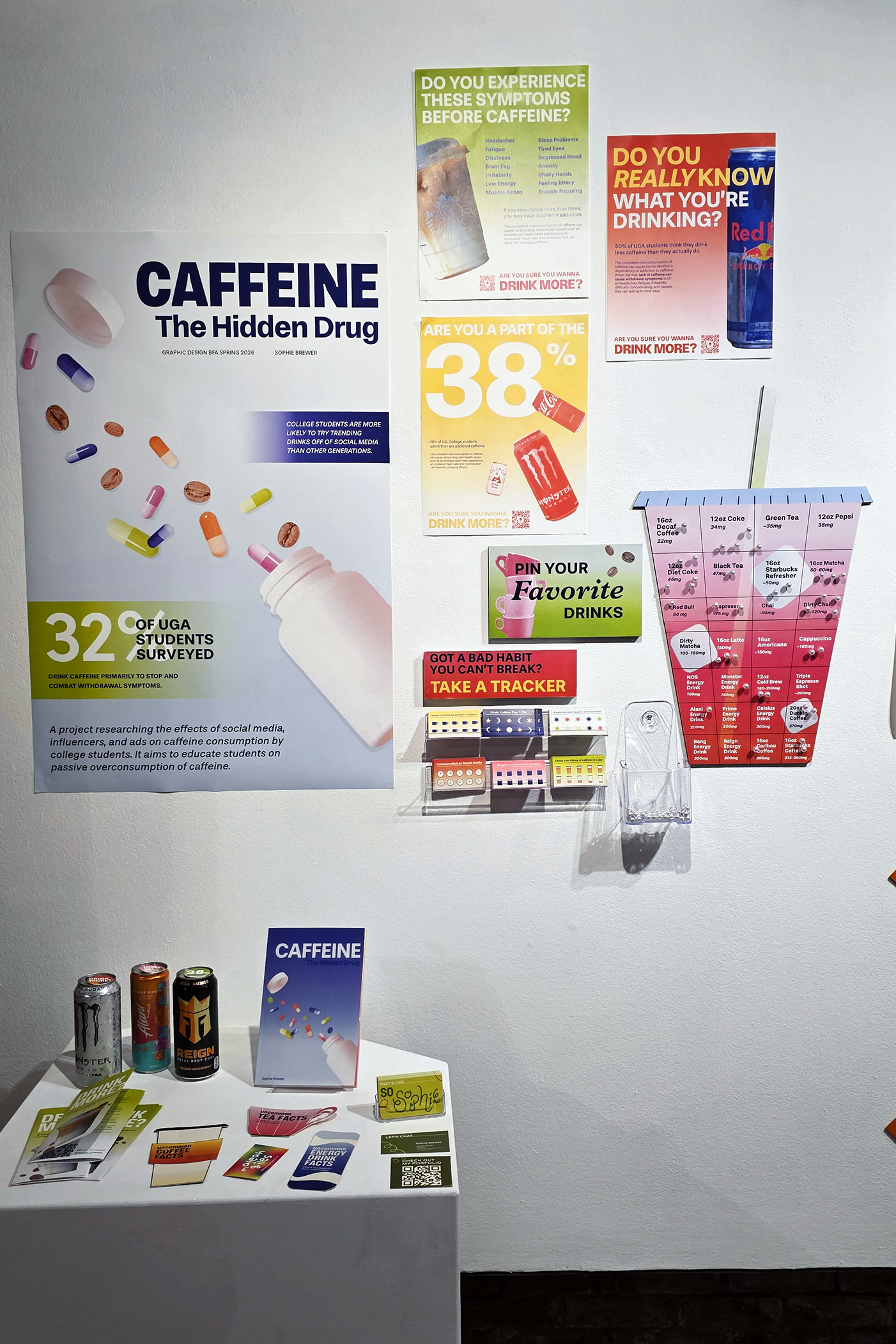
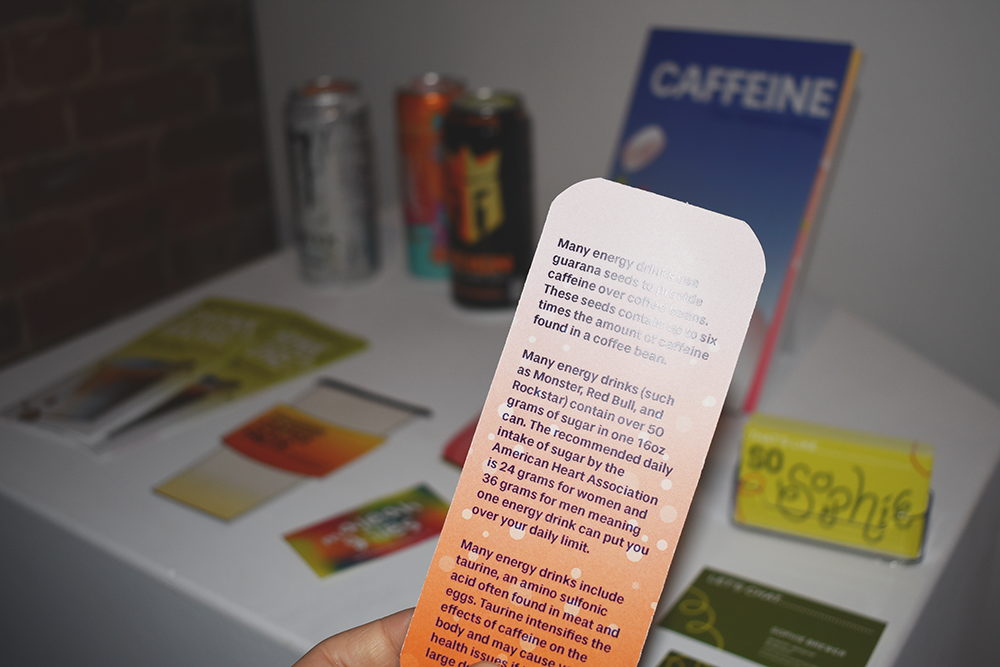
Whitespace exhibit